Drain Field Problems in Pickens County
Drain Field Repair and Replacement in Jasper
Wet spots or sewage odors in your yard? Request a professional evaluation. Get a Free Estimate
Drain Field Problems in Pickens County
Wet spots or sewage odors in your yard? Request a professional evaluation. Get a Free Estimate
A septic drain field is designed to disperse and treat wastewater in the soil. When it stops working properly, you may notice wet or soggy areas in the yard, sewage odors, unusually green grass, or wastewater backing up into the house.
These symptoms don't automatically mean you need a completely new drain field. A blocked pipe, damaged distribution component, excess water entering the system, or another issue may be responsible. A qualified septic professional should investigate before recommending replacement.
Septic Installation Jasper GA helps connect property owners with local professionals who evaluate drain field problems and perform approved repairs or replacements.
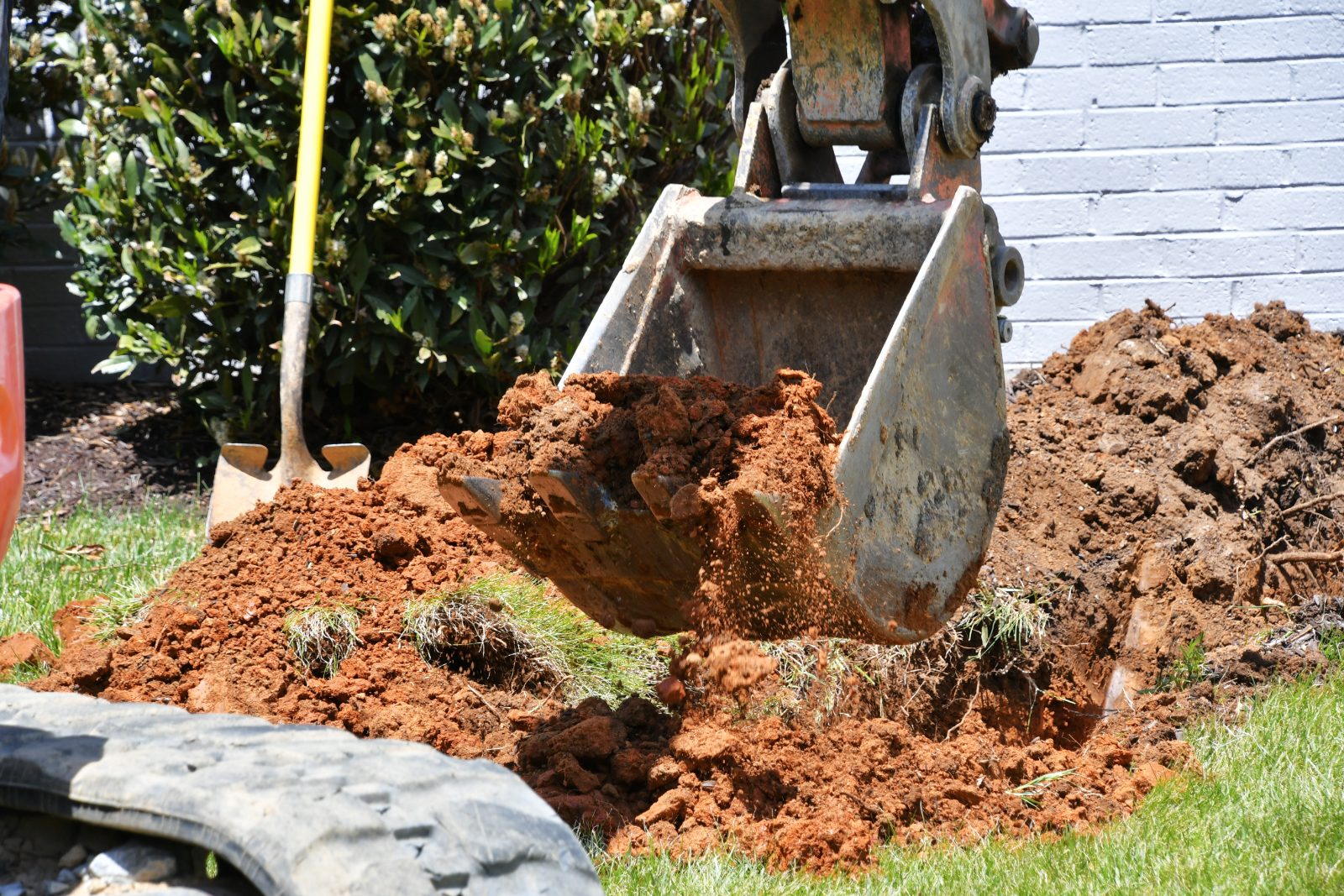
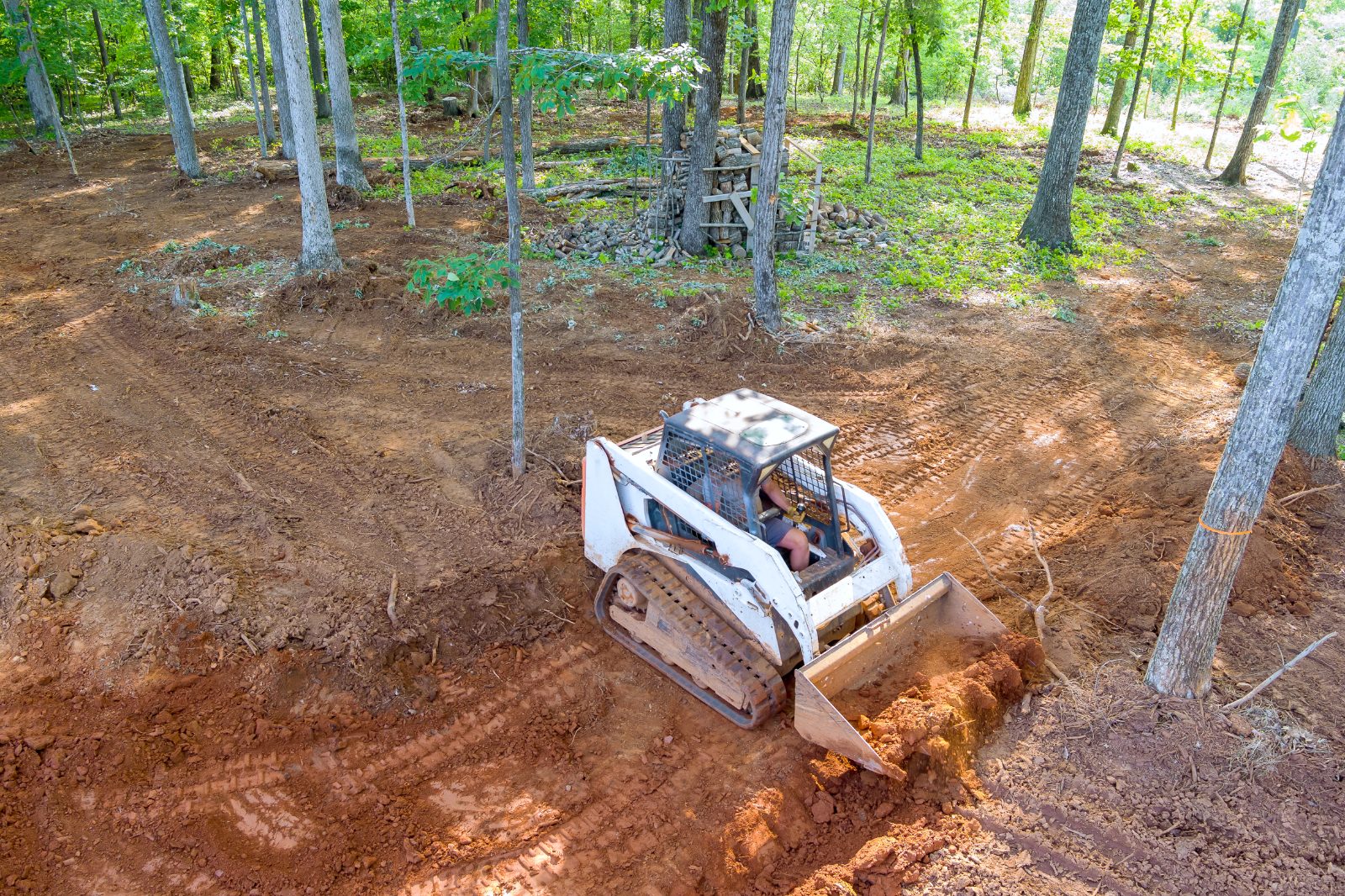
## Why Drain Fields Stop Working A drain field depends on suitable soil and enough available space to absorb and treat wastewater. Over time, excessive solids, hydraulic overloading, soil compaction, root intrusion, or physical damage can reduce performance. ## Pickens County Soil and Terrain Rocky red clay soil and mountain slopes can limit where wastewater can safely disperse. Some properties have only a small suitable area for a drain field. When an existing field fails, finding an approved replacement location may require additional testing and design work. Properties near streams, lakes, and other sensitive areas may also face stricter siting considerations. A specialized treatment system may be necessary if conventional options are unsuitable and an alternative is approved.
Persistent wet patches near a drain field can indicate wastewater is not dispersing properly. The concern is greater when the ground remains wet during otherwise dry weather or has a sewage odor. Keep people and pets away from suspected wastewater. A professional can determine whether the moisture is related to the septic system or another drainage source.
Some problems involve damaged pipes, distribution boxes, or other accessible components rather than the entire drain field. The repair options depend on the condition and layout of the existing system. A provider should explain whether the proposed repair addresses the underlying problem and whether permits or approvals are necessary.
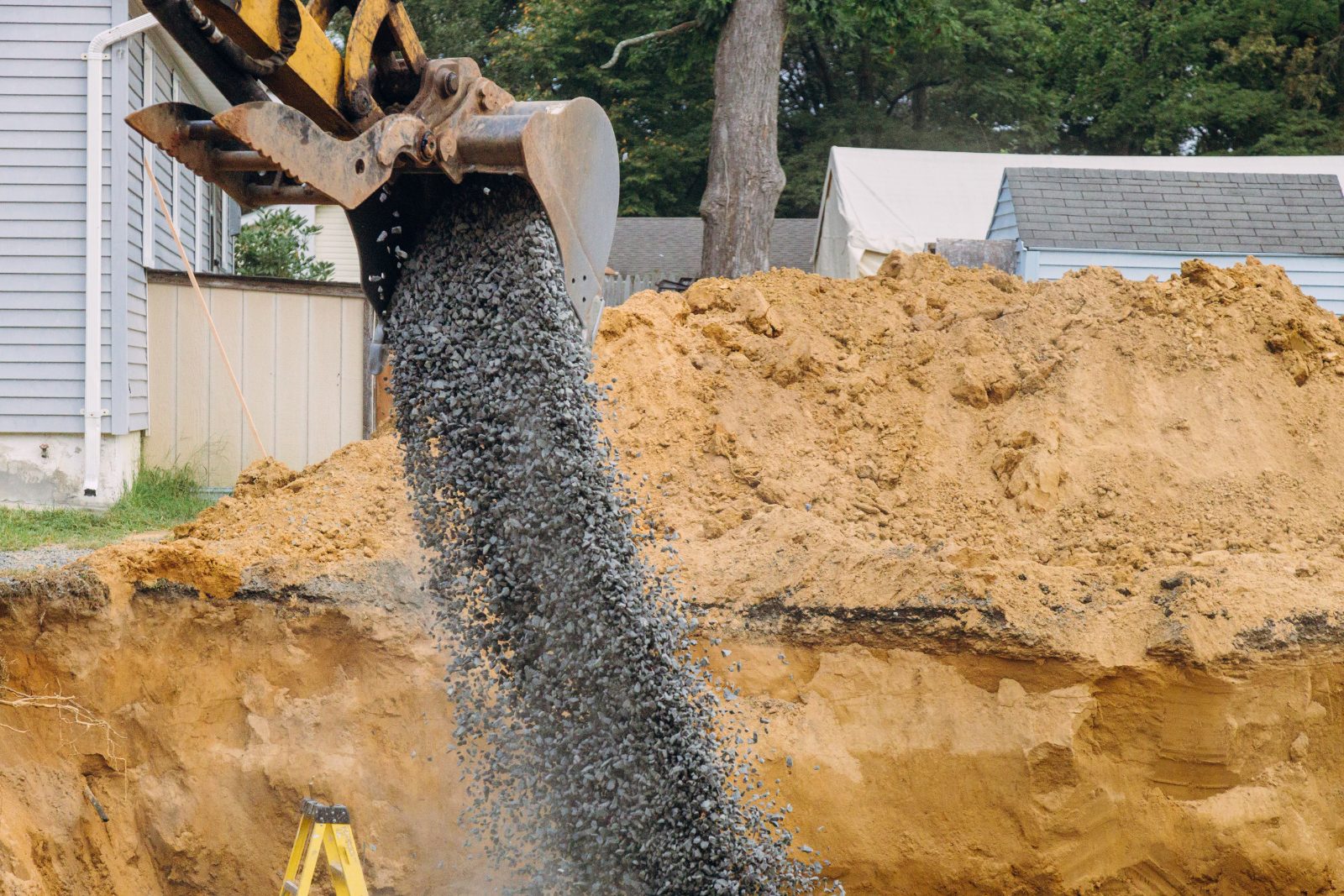
When a drain field can no longer function adequately, replacement may be required. The process can involve evaluating a suitable replacement area, obtaining approvals, and installing a new treatment and dispersal system. The replacement field must meet current applicable requirements. The original drain field location may not be suitable for reuse.
Some mountain or environmentally sensitive properties cannot accommodate a conventional replacement field. Depending on the site and regulatory approval, specialized drain field designs or advanced treatment equipment may be considered. These systems can have different installation, operating, maintenance, and inspection requirements. Ask the designer or installer to explain ongoing responsibilities before choosing an option.
Avoid driving, parking, building, or placing heavy equipment over the drain field. Keep roof drains and other unnecessary surface water away from the system, and maintain the septic tank as recommended. Water conservation and prompt attention to plumbing leaks can also help reduce unnecessary loading on the system.
| Service | Estimated Cost | Average |
|---|---|---|
| Drain field evaluation | Often several hundred dollars or more | Scope-dependent |
| Localized component repair | Often several hundred to several thousand dollars | Repair-dependent |
| Conventional drain field replacement | Often $5,000–$15,000 or more | Site-specific |
| Complex or alternative replacement | Potentially $15,000–$30,000 or more | Design-dependent |
These broad ranges are for initial planning only and are not local quotes. Excavation, soil conditions, available replacement area, rock removal, engineering, permits, and treatment requirements can significantly affect the final cost.
We help homeowners find local providers who can evaluate drain field concerns.
Slope, soil depth, clay, and nearby waterways are important considerations.
Understand why a professional may recommend further testing before providing a final estimate.
A proper diagnosis helps determine whether a limited repair or full replacement is appropriate.
Concerned about a failing drain field? Connect with a qualified local septic professional before the problem gets worse.
Free — no obligations

Describe wet spots, odors, recurring backups, or other symptoms.
The provider examines the system and determines what testing may be needed.
The professional explains whether an approved repair or replacement is appropriate.
Replacement work proceeds through applicable testing, design, and approval requirements.
The contractor completes the approved work and coordinates required inspections.